Teen Dating Violence Prevention and Awareness Month: Key Information for Teens and Families
February 2, 2026
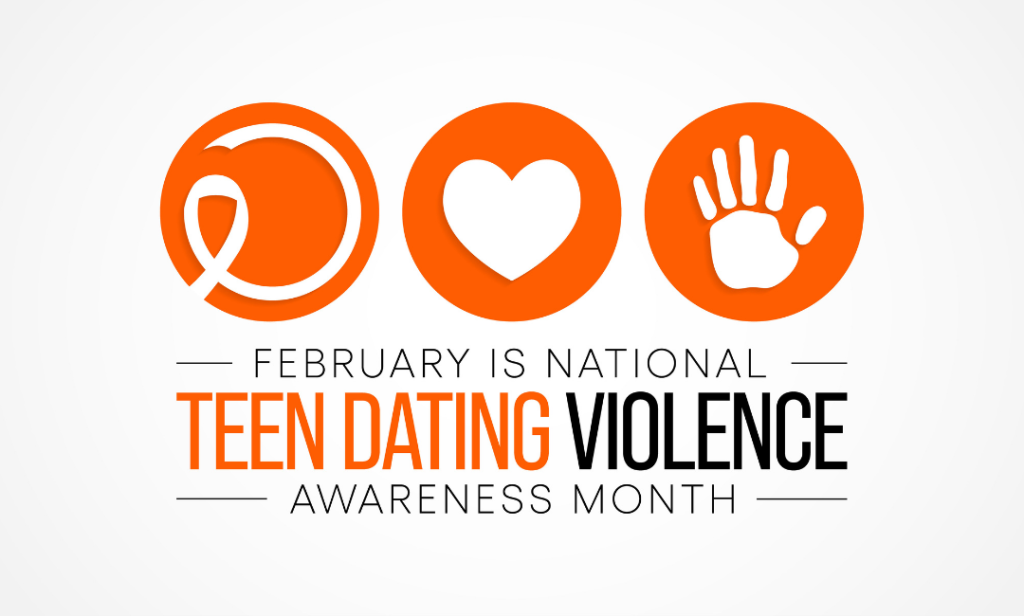
Relationships can be exciting and meaningful, but they also come with challenges. Every relationship is unique, yet all healthy connections share the same essential elements: communication, respect, trust, honesty, and equality. When any of these elements are missing, the relationship may become unhealthy or even abusive.
Teens are especially at risk because they are still learning about boundaries, consent, and how to navigate emotions in a romantic context. According to the CDC’s 2021 Youth Risk Behavior Survey, among U.S. high school students who dated in the past year:
- About 1 in 12 experienced physical dating violence
- About 1 in 10 experienced sexual dating violence
- Overall, roughly 13.6% reported some form of teen dating violence, with female students and LGBTQ+ youth disproportionately affected
These statistics highlight the importance of recognizing early warning signs and promoting awareness among teens and families.
Understanding the Scope of Teen Dating Violence
Dating violence isn’t always physical. It can take many forms, including:
- Emotional or psychological abuse
- Controlling behaviors or isolating a teen from friends and family
- Unwanted sexual contact
- Digital harassment or monitoring
Left unaddressed, these behaviors can affect mental health, academic performance, and even lead to risky coping strategies. Awareness is the first step in protecting teens and helping them build safe, respectful relationships.
How Teens Learn Relationship Behaviors
Many teens model their relationships based on what they observe at home or in their communities. Witnessing unhealthy dynamics, such as parental conflict or abuse, can shape expectations about love, trust, and conflict resolution. Teens may internalize controlling behaviors, jealousy, or subtle humiliation as normal. Recognizing these patterns helps caregivers intervene early and guide teens toward healthier ways of connecting with others.
Warning Signs for Families and Caregivers
Even subtle indicators can signal trouble. Some warning signs include:
- Verbal insults or humiliation
- Extreme jealousy or attempts to control
- Restricting friendships or social activities
- Unwanted sexual advances or pressure
- Mood swings, anger outbursts, or emotional instability
- Excessive monitoring through social media or location tracking
- Showing up unannounced or demanding constant attention
- Threats of physical harm
- Sudden changes in behavior, grades, or appearance
- Substance use as a coping mechanism
- Participating in high-risk activities and behaviors
- New or increased interests in gambling or video games
Even one warning sign should prompt a conversation and further observation.
Starting Conversations About Healthy Relationships
Talking with teens about dating violence can feel challenging, but open dialogue is critical.
Tips for caregivers:
- Listen first: Let your teen express themselves without judgment.
- Clarify what’s healthy: Emphasize that respect and consent are non-negotiable.
- Observe carefully: Behavior changes, academic struggles, or withdrawal can signal issues even without verbal disclosure.
- Educate yourself: Learn about warning signs, resources, and support services available in your community.
Resources for Teens and Families
Reliable organizations can provide guidance, counseling, and confidential support:
- Teen Dating Violence Awareness & Prevention Resources
- Love Is Respect: Support for young people in abusive relationships
- RAINN — Early Warning Signs & Guidance
- Break the Cycle: Empowerment and education programs for youth
- Youth Empowerment & Healing Programs
- Trauma Support and Counseling
For immediate help, the National Domestic Violence Hotline is available 24/7 at 1‑800‑799‑SAFE (7233) or via online chat at thehotline.org.
If you or a loved one are experiencing mental health, substance use, or gambling challenges related to intimate partner abuse or dating violence, Nicasa Behavioral Health Services is here to help. Nicasa provides compassionate, confidential support for youth ages 12 and older, adults, and families. To learn more about Nicasa’s youth and adult programs call 847-546-6450 or email info@nicasa.org.
Related Posts




Share This Story, Choose Your Platform!
Browse Topics
- Community Services / Coalitions
- Company News
- Diversity, Equity, Inclusion, & Justice (DEIJ)
- Driving Under the Influence (DUI)
- Early Intervention
- Education
- Gambling
- Harm Reduction/Deflection
- Life Experiences
- Mental Health
- Messages of Solidarity
- Prevention
- Recovery
- Sober Celebrations & Activities
- Social Services
- Substance Use
- Teen/Youth
- Treatment
- Uncategorized